How to Dry Carpet After Water Damage and Prevent Mold Growth
Water damage in a home or business is never a welcome event. Whether it comes from a burst pipe, a leaking roof, or a flooded basement, the aftermath often leaves you staring at a soaked carpet and wondering what to do next. The clock starts ticking the moment that water soaks into the fibers. Many people focus on removing the water itself, but the real challenge is what happens afterward. If you do not properly dry carpet after water damage, you are setting the stage for mold growth, musty odors, and potential structural issues that can linger for years.
Having worked on moisture-related problems in buildings for over a decade, I have seen the same mistakes repeated. People pull out a shop vac, suck up the visible water, and think the job is done. A few days later, the smell starts. Then the discoloration. Then the health complaints. The reality is that carpet acts like a sponge, and the padding underneath holds water even longer. To avoid those problems, you need a systematic approach that goes beyond surface drying. This article walks through the practical steps, the equipment that actually works, and the warning signs that tell you when you need professional help.
Why Speed Matters After Water Exposure
Mold spores are everywhere. They float through the air indoors and out, waiting for the right conditions to settle and grow. The conditions they need are moisture, warmth, and a food source. Carpet provides all three once it gets wet. The backing and fibers are organic or semi-organic materials that mold loves. Given 24 to 48 hours of sustained dampness, mold can begin colonizing. That is why the first priority after any water event is to start the drying process immediately. Every hour you delay gives mold a better foothold.
The other concern is the subfloor. Water that soaks through the carpet and padding can saturate plywood or concrete underneath. If that moisture is not removed, it can lead to dry rot in wood subfloors or cause adhesive failures in tile and hardwood flooring in adjacent rooms. Subfloor drying is a separate step that many DIY attempts miss entirely. But if you address the carpet correctly, you greatly reduce the risk of deeper damage.
Step 1: Remove Standing Water First
Before you can dry carpet after water damage, you have to get rid of the bulk water. A wet vacuum is the tool for this job. These machines look like a heavy-duty shop vac but are designed specifically for water pickup. They can pull gallons of water out of carpet padding in a way that a mop or towels never will. Work slowly and methodically, overlapping passes to make sure you are drawing water from deep in the fibers. If the water is clean, you can empty the tank outside or into a utility sink. If the water came from a sewer backup or flooding that might contain contaminants, treat it as biohazard cleanup and wear gloves, boots, and a mask.
If you do not own a wet vacuum, rental centers and big-box home improvement stores carry them. It is worth the rental fee. Trying to do this with towels alone will leave the padding saturated, and that is where mold starts.
Step 2: Increase Airflow and Dehumidification
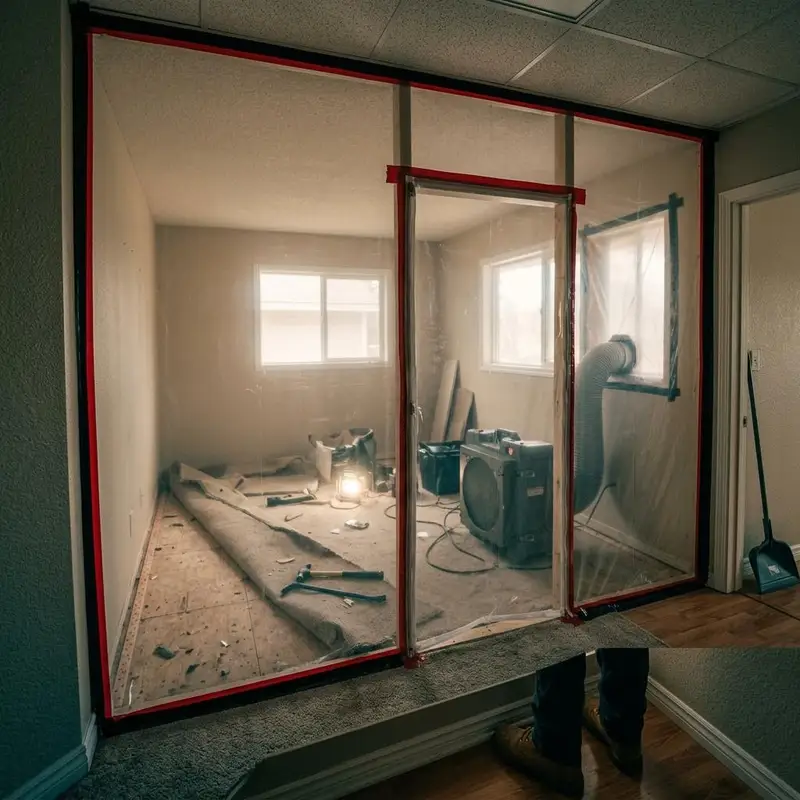
Once the standing water is gone, the real drying begins. Carpets dry from the surface down, but the padding underneath dries much slower. To speed that up, you need to move air across the carpet surface and lower the humidity in the room. An air mover is ideal for this. These are high-velocity fans designed for drying floors and carpets. Position them so they blow across the carpet rather than straight down. Stagnant air will not pull moisture out of the padding. You want continuous airflow for at least 24 to 48 hours.
At the same time, run a dehumidifier. A standard home dehumidifier can pull several pints of water out of the air per day, which lowers the ambient humidity and allows evaporation from the carpet to continue. Without a dehumidifier, the moisture that evaporates from the carpet just hangs in the room air and resettles. That cycle keeps the carpet damp longer. I have seen rooms where people ran fans for a week but still had damp carpet because they skipped the dehumidifier. The combination of air movers and a dehumidifier is the most effective way to dry carpet after water damage in a residential setting.
Step 3: Lift the Carpet for Deep Drying
If the water damage is extensive or the carpet is wall-to-wall, you may need to lift the carpet from the tack strips in one or more areas. This allows air to reach the padding and the subfloor. Pull the carpet back carefully, roll it up, and prop it so air circulates underneath. This is especially important if the padding is saturated. In many cases, the padding will need to be replaced entirely because it cannot be dried thoroughly enough to prevent mold growth. Carpet padding is inexpensive relative to the cost of mold remediation later. If you are unsure, use a moisture meter to check the moisture level in the padding and subfloor. A reading above 15 to 20 percent indicates that drying is not complete.
For concrete subfloors, moisture can wick up through the slab for days. Structural drying may require professional-grade equipment like desiccant dehumidifiers or heaters. But for most homes, lifting the carpet and running fans and dehumidifiers for 48 hours is sufficient.
Step 4: Clean and Disinfect
After the carpet is dry, you still need to address any contaminants that the water may have left behind. Even clean water can leave behind dust and debris that feed mold later. A thorough carpet cleaning using a hot water extraction method is the best approach. This is often called steam cleaning, though it uses hot water and cleaning solution rather than steam. The extraction process pulls dirt and potential mold food sources out of the fibers.
Follow up with a disinfectant that is safe for carpets. Look for products labeled for use on carpets and effective against mold and bacteria. Spray or apply the disinfectant according to the label directions and let it dry completely. This step is not just about killing existing microorganisms. It also reduces the chance that mold spores will find a hospitable environment later. For extra protection, you can apply an antimicrobial treatment designed for carpet fibers. These treatments create a barrier that makes it harder for mold to reestablish.
When to Call a Professional
Some situations are beyond what a homeowner can handle safely. If the water damage covered a large area, if the water was contaminated (sewage, floodwater, or chemical runoff), or if you notice a musty smell even after drying, it is time to bring in a professional. A certified water damage restoration company will have industrial-grade drying equipment, moisture meters, and experience with mold inspection and mold remediation. They can also help with the insurance claim process, documenting the damage and the steps taken to mitigate it.
Professionals who follow IICRC standards for water damage restoration know how to dry structures properly, including subfloor drying and wall cavity drying. They also use HEPA vacuums to capture mold spores during cleanup, which prevents cross-contamination to other parts of the building. If anyone in the household has asthma, allergies, or a compromised immune system, do not take chances with hidden mold. A mold inspection by a certified IAQA professional can identify problem areas you might miss.
Signs That You Have a Mold Problem
Even after you dry the carpet, mold can appear if any moisture remained trapped. Watch for these signs in the days and weeks after the incident:
- A persistent musty or earthy smell near the carpet or baseboards
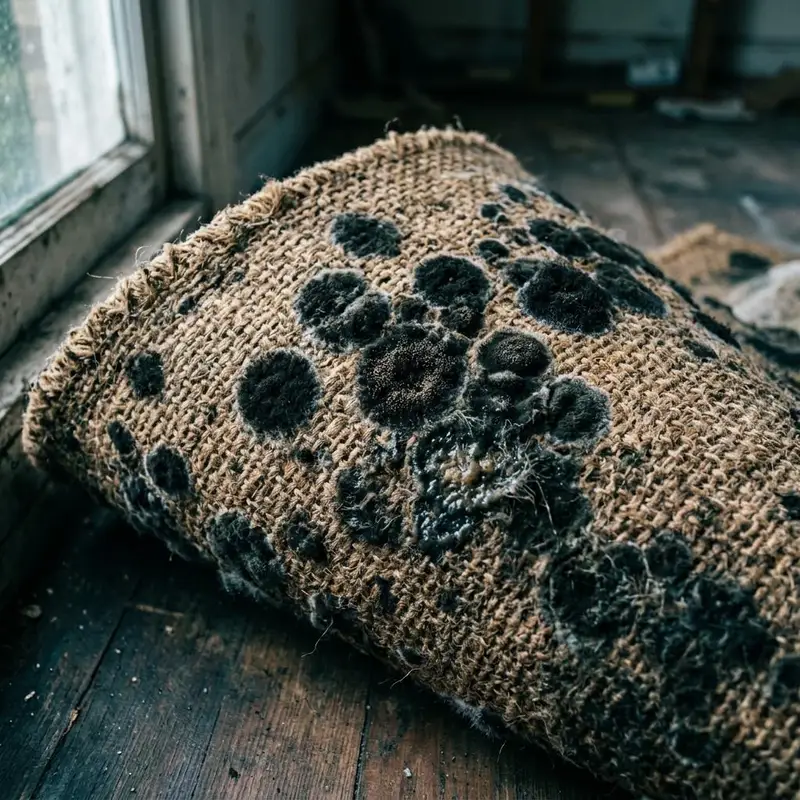
- Discoloration or dark spots on the carpet, especially along edges or under furniture
- Increased allergy symptoms among occupants, such as sneezing, watery eyes, or headaches
- Warping or buckling of the carpet or the subfloor beneath it
- Visible mold growth on the back of the carpet when you lift a corner
If you see or smell any of these, do not ignore them. Mold spores can become airborne and spread to other areas of the building. At that point, the fix is no longer about drying. It requires mold remediation, which involves removing contaminated materials, treating the area with antimicrobials, and often replacing the carpet and padding entirely.
Preventing Future Water Damage
Once you have gone through the process of drying and restoring your carpet, it is smart to think about prevention. Check pipes and appliances that use water regularly. Fix leaky faucets and toilet supply lines promptly. Consider installing a water leak detection system that alerts your phone if moisture is detected. In basements, a sump pump and a backup battery system can prevent flooding during storms. And if you live in a humid climate, running a dehumidifier during the summer months can keep indoor humidity below 50 percent, which discourages mold growth in general.
The goal is to never have to go through this again. But if you do, you now know the steps: extract the water, increase airflow, lower humidity, clean and disinfect, and watch for signs of trouble. If you follow those steps and dry the carpet quickly, you greatly reduce the chance of mold taking hold. And if the job feels too big or the water was contaminated, do not hesitate to call a professional who specializes in water damage restoration and mold remediation. The cost of prevention is always lower than the cost of a full remediation later.